
Columns and Beams
Never demolish, drill into, or cut away sections of structural columns, beams, or shear walls.


The safety of a building does not depend solely on how it was constructed; even minor changes made over the years can affect its structural integrity. Removing a wall during renovation, placing heavy loads on a balcony, planting a tree too close to the building, or hiring an unqualified person for electrical work can compromise an otherwise sound structure. We have prepared these recommendations to help you keep your home and garden safe.
If you are uncertain about any aspect of a planned project, consult us or a qualified civil engineer before starting work. Correcting mistakes afterward is almost always more expensive and demanding than seeking professional advice in advance.

Never demolish, drill into, or cut away sections of structural columns, beams, or shear walls.

Only authorized companies should perform work on gas appliances and installations.

Test your residual current device using its test button once a month.

Secure furniture that could topple over, such as cabinets and shelves, firmly to the wall.

Before removing a wall to create an open-plan kitchen, combine two rooms, or enlarge a bathroom, determine whether it is load-bearing. This cannot be established through visual inspection alone. If you remove floor coverings in wet areas, make sure the underlying waterproofing is also renewed; otherwise, water damage may eventually appear as stains on the ceiling of the apartment below. Before enclosing a balcony, installing an outdoor air-conditioning unit, or adding solar panels to the roof, check the building management regulations and applicable municipal permit requirements.
Using chemical drain cleaners in blocked pipes can gradually damage pipework. Keep garden drains and stormwater grates clear of leaves and soil. Never obstruct stairways or fire doors with stored belongings; those few meters of unobstructed space can be critical during an emergency.
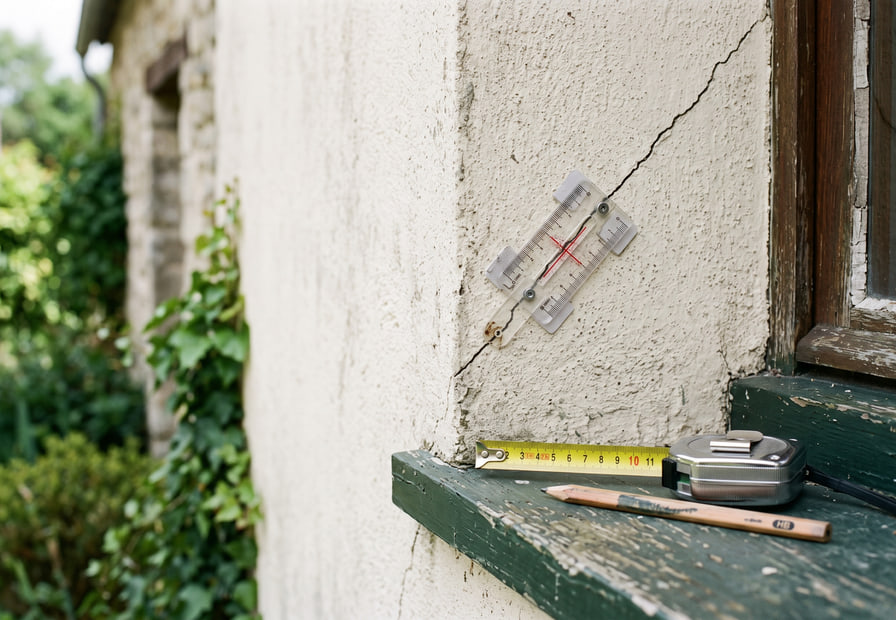
If you notice a new crack, moisture stain, or doors and windows becoming difficult to open or close, do not delay. Take a photograph and send it to us. Problems identified early are generally easier and less expensive to resolve, preventing minor defects from developing into more serious issues.