
Material Acceptance Procedures
Materials that do not match their delivery documents and approved samples are not accepted into storage or onto the construction site.


The true quality of a project becomes evident not on the day of handover, but years later. If the paving stones have not settled unevenly, the curbstones remain in place, rainwater does not accumulate in the garden, and the building shows no cracks or moisture problems, we know the job has been done properly. That is why we assess quality at every stage, from material acceptance and ground preparation to excavation and final handover, rather than relying solely on final inspections.
Every product we supply and install has a traceable source. We maintain records of which material batches were installed in specific areas and which teams carried out the work. If a problem occurs, we investigate the records rather than speculate about its cause.

Materials that do not match their delivery documents and approved samples are not accepted into storage or onto the construction site.

Product dimensions, colors, and surface quality are inspected before delivery.

Paving installation does not begin until the sub-base and sand bedding layers have been properly compacted.

Each completed area is inspected and handed over using a detailed, item-by-item checklist.
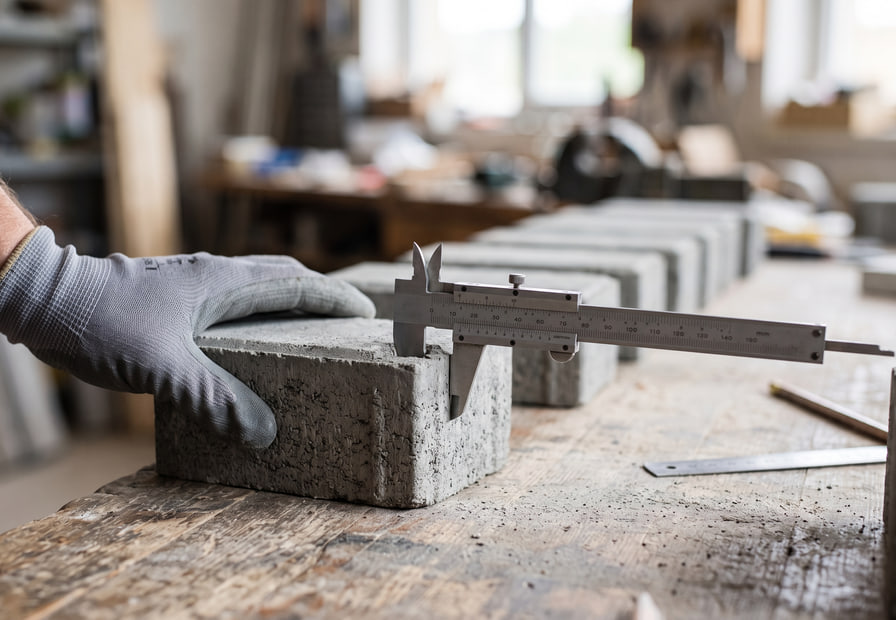

For hardscaping products, colors, dimensions, and surface defects are inspected before shipment, and compliance documentation for the relevant TS EN standards is checked for paving stones, slabs, and curbstones. During installation, paving does not begin until the sub-base layers have been compacted, and surface gradients are measured to prevent rainwater accumulation. In residential construction, reinforcement placement is inspected before concrete pouring, and no concrete is poured without approval from the authorized building inspection body. Plumbing and electrical systems are tested before being concealed, photographed, and documented in the project file.
Every notification received after project handover is recorded, and we respond by identifying who will handle the matter and when. If the same issue occurs in two different projects, we review and adjust our material selection or working methods to prevent it from recurring in future projects.
We see quality not simply as a written policy, but as a practice consistently applied on our construction sites every day. This policy is reviewed annually, and lessons learned in the field are incorporated into the technical specifications of subsequent projects.