
Excavation Waste Management
Excavated soil is transported exclusively to authorized disposal sites.

When constructing a building or developing an outdoor space, the surrounding streets, neighboring properties, and natural environment are also affected. We strive to contain construction dust, noise, and waste within our site boundaries as much as possible. We also look for ways to reduce the energy and water consumption of our projects throughout their operational life, starting from the design stage.
Every building we construct will be used for decades. Over that period, its energy consumption will be many times greater than the energy used during construction. That is why we see proper insulation and appropriate window selection as essential to achieving long-term energy savings.

Excavated soil is transported exclusively to authorized disposal sites.

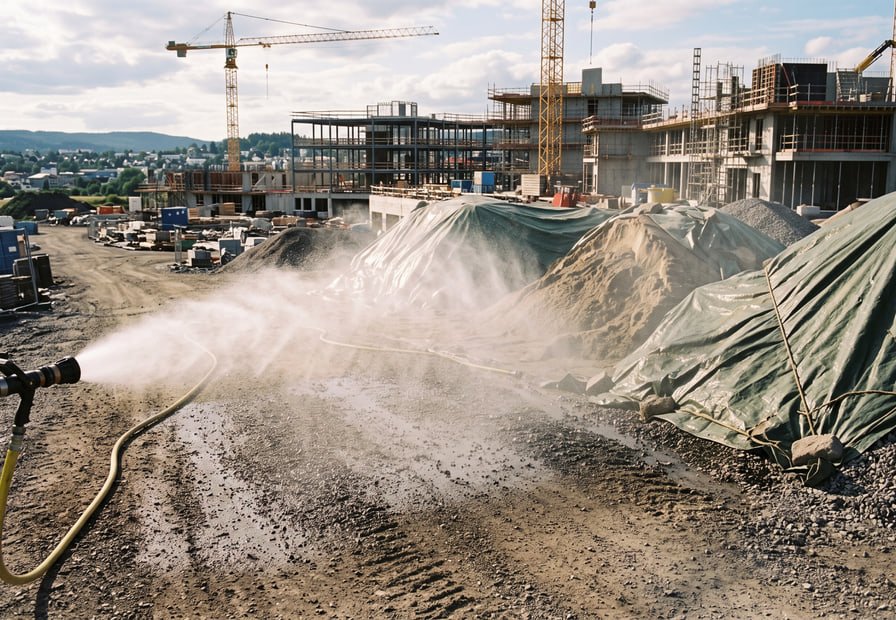
Construction sites are watered during dry weather, and noisy operations are carried out during daytime hours.

Metal, wood, and packaging waste are collected separately and sent for recycling.

We select low-water-demand plants and use irrigation systems divided into separate zones.

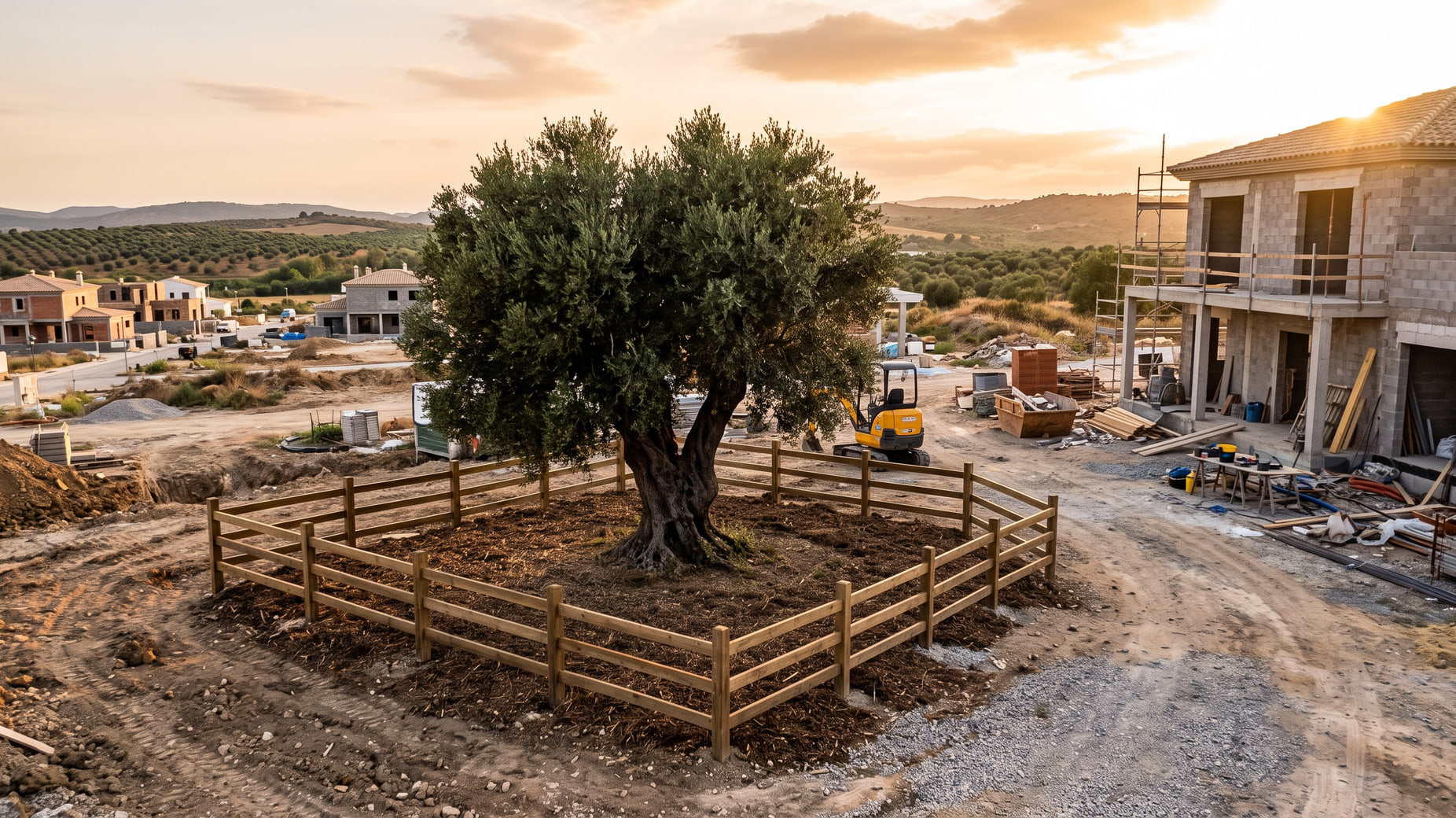
Washing vehicle wheels at construction site exits prevents mud from being carried onto public roads. Wastewater from concrete mixer cleaning is not discharged directly into the sewer system or soil; instead, it is collected in sedimentation tanks. Paint, oil, and chemical containers are stored in enclosed areas, while empty containers are collected separately. Existing trees on site are preserved whenever possible, and the necessary permits are obtained before removal when preservation is not feasible. Working hours for activities close to neighboring buildings are communicated in advance, and lengthy operations such as concrete pouring are not scheduled during weekends or nighttime hours.
Building orientation, window dimensions, and shading solutions are considered together during the design phase. Thermal insulation is installed in accordance with TS 825 standards, and an Energy Performance Certificate is obtained for each building and provided to the buyer.
Our environmental and energy-related decisions are based not merely on initial construction costs but on the energy expenses and maintenance requirements that building occupants will face throughout the building's lifetime. A solution that is inexpensive initially but deteriorates quickly is, in our view, an expensive solution.